Videos
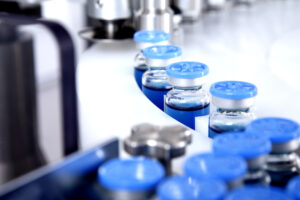
Discover how the Kemtrak TC007 turbidity analyzer revolutionizes crystallization process monitoring. In this video we demonstrate the power of real-time turbidity measurement in optimizing crystallization processes. By precisely pinpointing the nucleation point, the TC007 ensures improved yields, reduced solvent consumption and enhanced batch-to-batch consistency. Through a sodium acetate crystallization, you’ll see how the TC007, paired…

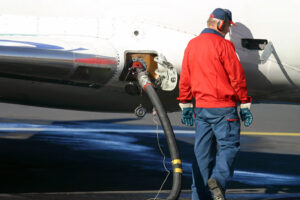
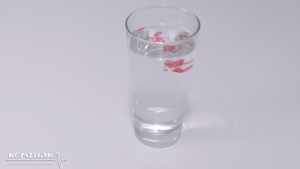
Ethylene glycol is a colorless, odorless chemical used as a heat transfer compound in industrial applications and as antifreeze in car radiators. Ethylene glycol is toxic, affecting the central nervous system, heart and kidneys. Ingested in sufficient quantity will result in death. Ethylene glycol leaks can be detected by the addition of FDA-approved dyes such…
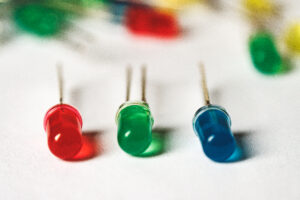
In our latest video, we explore how Kemtrak’s LED technology is revolutionizing modern analytical instrumentation. Our LEDs are 90% more energy-efficient than traditional lamps, with a lifetime guarantee for longevity and reliability. Plus, they’re eco-friendly, avoiding mercury toxicity. Join us in embracing the LED revolution for a brighter, more sustainable future.
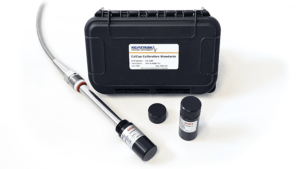
Learn how to normalize the Kemtrak TC007 turbidimeter with liquid-free CalCaps for our backscatter probes. Increase safety of your process by eliminating the need to use hazardous formazine.

No more salt measurement errors with the Kemtrak salt analyzer It has a range of 0-36% and a resolution of 0.05%
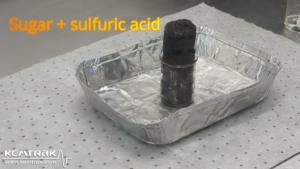
Measure sulfuric acid reliably, inline and continuously with the Kemtrak sulfuric acid analyzer. Measurement are linear, ranges are 0 – 80% ± 0.05 wt%, 80-100% ± 0.01 wt% Benefits include no maintenance, no need for reagents replacements and corrosion-resistant PTFE (Teflon) measurement cells.

Measure ethanol and methanol in binary liquids using near infrared photometry. Calibration curves are linear and the range is 0-100% with 0.05% resolution.
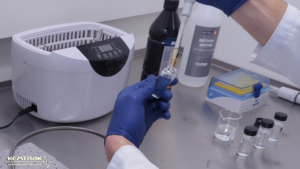
Here we show how to measure water in kerosene using turbidity with the Kemtrak water-in-oil analyzer.
Learn how different methods can be used to measure a liquid component in an industrial process stream. We cover density, refractometry, conductivity, ultrasonic and photometry.